
Product Usage: This product is intended solely for use as a research chemical. It is designated exclusively for in vitro research and laboratory testing. All information provided on this site is for educational purposes only. It is strictly prohibited to administer this product to humans or animals. Only licensed and qualified professionals should handle it. This product is not classified as a drug, food, or cosmetic and must not be misrepresented or used as such. This product is for research use only. Not for human consumption.
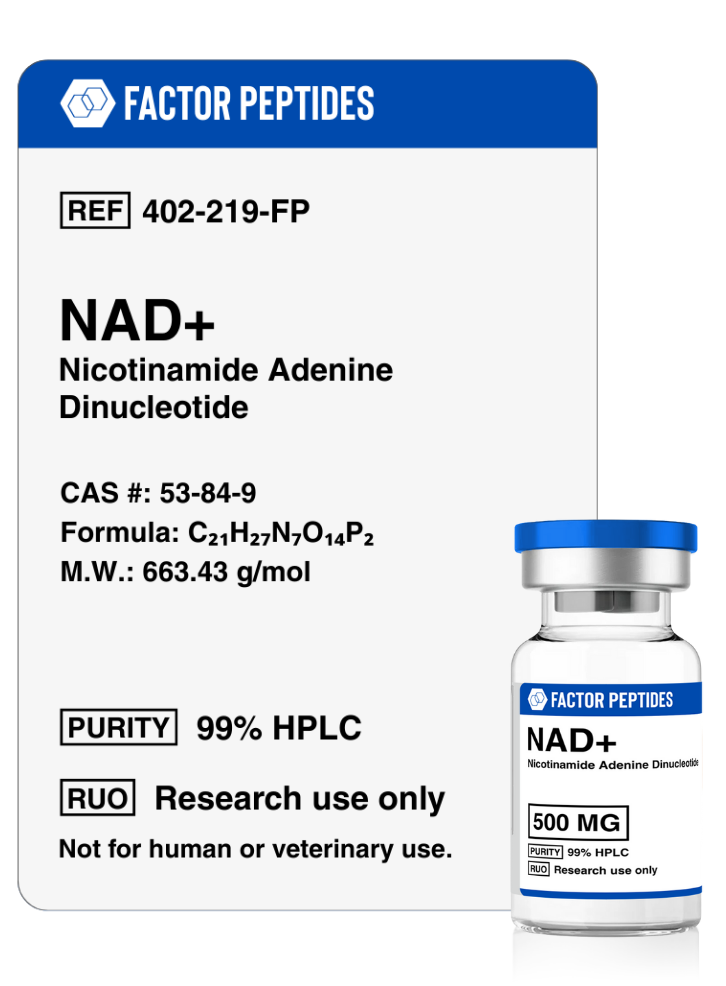
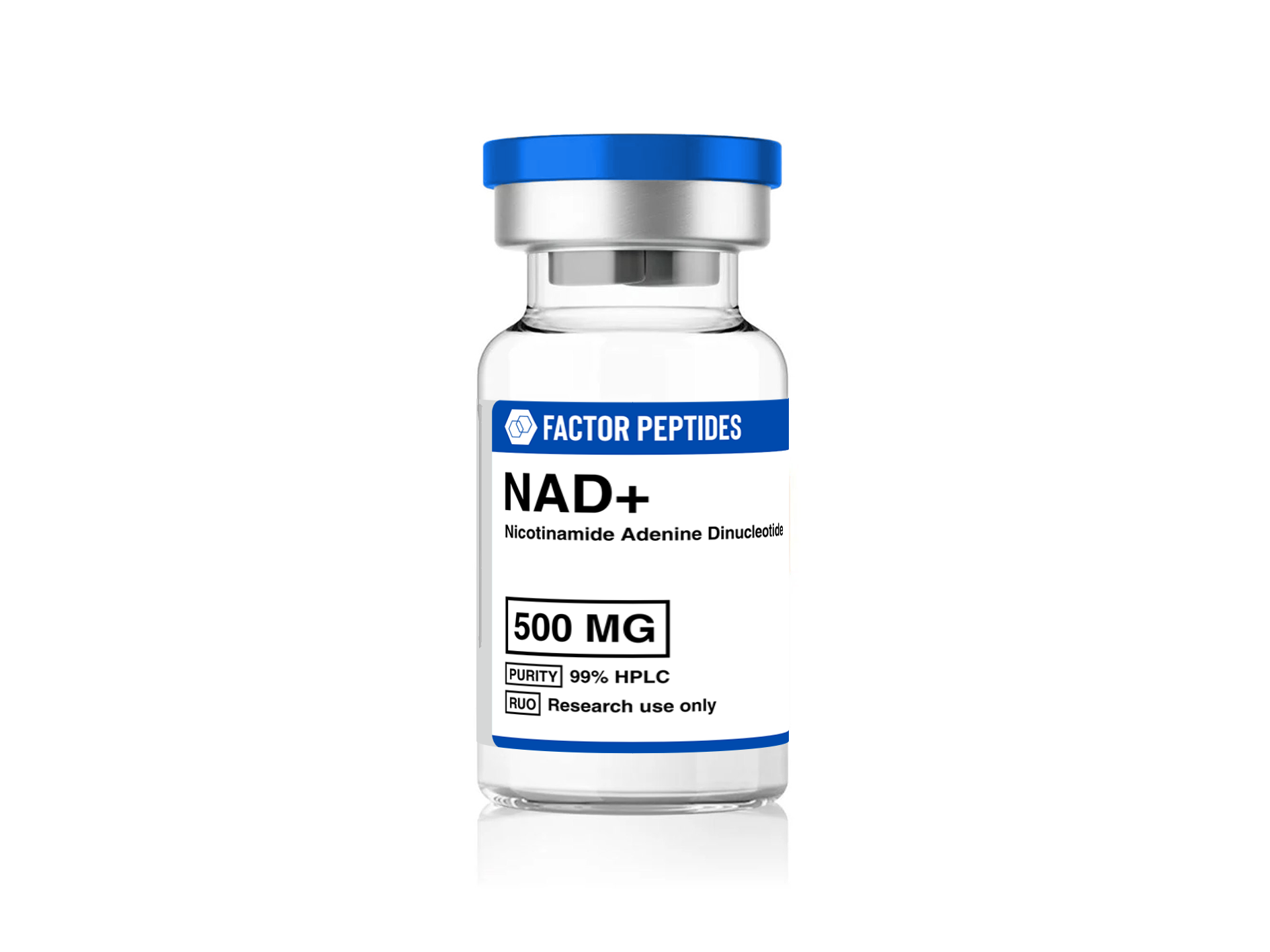
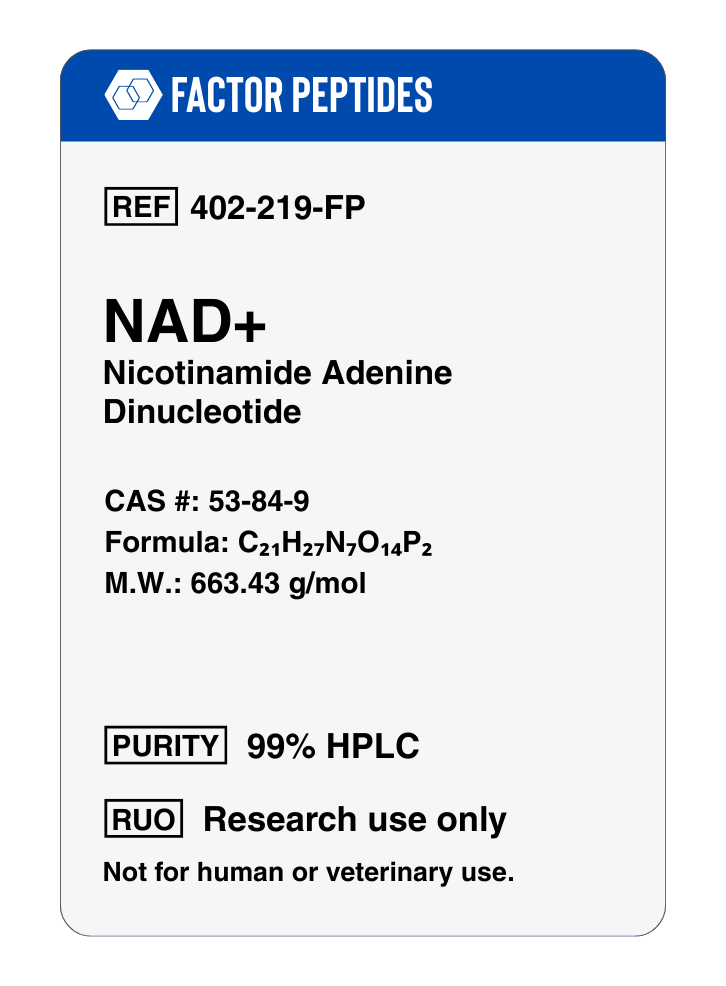
NAD+
NAD+ (nicotinamide adenine dinucleotide) is a fundamental coenzyme present in every cell, playing a key role in metabolism and overall cellular activity. It participates in redox reactions by shifting between its oxidized (NAD+) and reduced (NADH) states, enabling the transfer of electrons that drives energy production and supports essential life processes. As a cofactor in hundreds of enzyme-driven reactions, NAD+ is deeply involved in preserving cellular balance, and research indicates it may help support muscle performance, protect nerve cells, and lessen various signs associated with aging.
In addition to its central role in energy pathways, NAD+ contributes to DNA maintenance and the control of gene activity through its interaction with enzymes such as sirtuins and PARPs. Sirtuins rely on NAD+ to influence processes like DNA repair, regulation of gene activity, and cellular aging, while PARPs use it to respond to DNA damage and help safeguard genetic material. Together, these functions highlight how critical NAD+ is for preserving cellular health and supporting mechanisms that counteract age-related decline.
Price range: $65.00 through $95.00
All Products
- DESCRIPTION
- STORAGE
What Is NAD+
NAD+, short for nicotinamide adenine dinucleotide, is the oxidized counterpart of NADH and serves primarily as an electron carrier in biological systems. It transfers electrons between reactions, helping to move and store energy inside cells and, in some cases, outside the cell as well. Beyond its core role in metabolism, NAD+ is involved in turning enzymes on and off, modifying proteins after they are produced, and coordinating communication between cells. It can also act as a signaling molecule released by certain nerve cells in tissues such as blood vessels, the urinary tract, the digestive system, and specific regions of the brain.
NAD+ Effects
- NAD+ functions as a key support molecule that underpins cellular energy production and signaling between cells. Research indicates that it contributes to energy generation in mitochondria, maintenance of DNA, proper immune activity, and the regulation of day–night cycles. Levels of this cofactor can decline with age and illness, and many of its beneficial actions are reduced when NAD+ availability drops.
- NAD+ is required for the activity of sirtuins and several other enzyme families involved in DNA repair and control of inflammatory pathways. Sirtuins are associated with many of the longevity benefits seen in calorie-restricted diets and depend on adequate NAD+ to function properly.
- NAD+ helps regulate the production of PGC-1-alpha, a protein that supports nerve cells and other tissues in the central nervous system by protecting them from oxidative stress. Animal studies suggest that this effect may help preserve memory and cognitive function during aging.
- In experiments with mice, NAD+ supports healthy blood vessel function by protecting against age-related stiffening and the formation of fatty plaques. In some models, restoring NAD+ has even helped reverse impaired function in major arteries.
- Supplementation with NAD+ in animals has been linked to higher metabolic rates and improvements in body composition, including increases in lean mass.
- Raising NAD+ levels in older mice has been associated with greater muscle strength and improved endurance, pointing to possible benefits for age-related muscle decline.
- NAD+ also appears to play a role in signaling within smooth muscle, which may be important for digestive and vascular function. This signaling behavior is thought to contribute to its influence on blood pressure and other aspects of circulatory health.
NAD+ Additions and Synergies
- Because NAD+ is a naturally occurring cofactor, it can often be paired with other nutrients or supplements in research settings to explore combined or synergistic effects with relatively low risk of adverse interactions, especially when used alongside other naturally present compounds.
- Studies in animals suggest that NAD+ used together with high amounts of biotin may help ease discomfort and reduce certain types of pain.
- Coenzyme Q10, another component of cellular energy pathways, may work together with NAD+ to support brain energy metabolism and shield nerve cells from oxidative injury, potentially improving overall neurological resilience.
- Combinations of NAD+ with plant-derived antioxidants such as resveratrol have been investigated for their potential to reduce oxidative stress, limit inflammation, and improve blood lipid profiles, including lowering levels of LDL cholesterol. These pairings may also offer protection against metabolic and neurodegenerative conditions.
- B vitamins like B1, B2, and B6 are important in the recycling and maintenance of NAD+. When provided alongside strategies that raise NAD+ itself, they may help keep overall NAD+ pools at more optimal levels.
- Pairing NAD+ with other mitochondrial and energy-supportive nutrients, such as creatine or alpha-lipoic acid, is being explored for enhancing antioxidant defenses and potentially amplifying anti-aging effects.
NAD+ Research
Anti-Aging Research and NAD+
One of the hallmarks of normal aging is a gradual decline in both the number and efficiency of mitochondria, the cellular structures that generate energy for processes like thought, movement, and digestion. Reduced mitochondrial performance has been tied not only to the passage of time but also to many age-related disorders. As mitochondria falter, cells are more prone to senescence, chronic low-grade inflammation increases, and stem cells may lose some of their regenerative capacity, making it harder for tissues to repair themselves after injury.
Recent work has highlighted that at least a portion of this mitochondrial decline can be reversed or slowed by restoring NAD+ levels. In landmark animal experiments, supplementing precursors that boost NAD+ in older mice revived mitochondrial function in muscle tissue and made it resemble that of much younger animals. These changes were associated with improvements in cellular communication between the nucleus, where genetic material resides, and the mitochondria, helping to normalize energy production.
Further research has shown that falling NAD+ levels can create a state in which cells behave as if they are starved of oxygen, even when oxygen is available. This “false alarm” disrupts signaling between nuclear DNA and mitochondrial DNA. When NAD+ is replenished in older animals before damage becomes too advanced, mitochondrial function and communication can be restored, suggesting that timely intervention may be critical for long-term benefits.
Part of the anti-aging potential of NAD+ seems to come from its ability to activate genes involved in cell protection and stress resistance, including those coding for enzymes like sirtuin 1. These enzymes help regulate a wide range of proteins that control metabolism, inflammation, and survival pathways. By maintaining the activity of such protective systems, NAD+ may counteract some of the molecular changes that drive aging.
The Role of NAD+ in Muscle Function
Links between NAD+ and aging are particularly evident in skeletal muscle. In animal models, age-related decline in muscle function appears to occur in two stages. Initially, the machinery for oxidative phosphorylation, the main process by which mitochondria make energy, becomes less active because mitochondrial genes are not expressed at normal levels. In the second stage, regulatory genes for this process begin to malfunction in both mitochondrial and nuclear DNA. Experiments indicate that the first stage can be reversed: when NAD+ levels are restored early enough, mitochondrial function improves and muscles do not progress to the more severe second stage. Once that later stage is reached without intervention, however, boosting NAD+ alone is no longer sufficient to restore normal function.
These findings suggest that maintaining adequate NAD+ may help preserve muscle health with age, especially if action is taken before irreversible changes develop. Interestingly, structured exercise training appears to produce effects very similar to NAD+ replenishment on aging mitochondria, hinting that both strategies converge on shared signaling pathways.
Studies in rodents show that lifelong physical activity helps preserve the oxidative capacity of skeletal muscle, partly by raising levels of PGC-1-alpha, a master regulator of mitochondrial biogenesis and function. Higher PGC-1-alpha activity helps maintain mitochondrial DNA, enzymes involved in energy production, and proteins that support healthy blood vessel growth in muscle tissue. NAD+ seems to support some of these same pathways, reinforcing the idea that lifestyle and molecular interventions may complement each other.
NAD+ in Neurodegenerative Disease
Insights gained from aging research have naturally spilled over into the study of brain disorders. Changes in NAD+ metabolism have been implicated in the development and progression of various neurodegenerative conditions, including several forms of dementia and movement disorders. In many experimental models, raising NAD+ levels has shown protective effects on brain cells, often by improving mitochondrial performance and reducing the formation of reactive oxygen species, which can damage cellular structures and accelerate degeneration.
There is growing interest in combining NAD+ boosting strategies with approaches that gently modulate enzymes involved in DNA repair and cell survival. While certain repair enzymes are vital for fixing damage, excessive activity can drain cellular energy stores and trigger cell death pathways. By carefully balancing NAD+ availability and the activity of these enzymes, scientists hope to find new ways to protect neurons and slow disease progression.
Another area of investigation centers on the kynurenine pathway, a metabolic route that breaks down the amino acid tryptophan to generate NAD+. This process competes with the use of tryptophan for building neurotransmitters and other important molecules. When the kynurenine pathway is overactive, it can deplete neurotransmitter precursors and produce metabolites that may be harmful to brain cells. Imbalances in this pathway have been associated with several neurodegenerative and psychiatric conditions. Researchers are exploring whether maintaining healthier NAD+ levels can ease pressure on this pathway, helping to preserve neurotransmitters and reduce the buildup of potentially toxic byproducts.
The Role of NAD+ in Reducing Inflammation
NAD+ levels in the body are influenced by enzymes that both create and consume it. One key enzyme involved in NAD+ production has been closely linked to inflammatory processes and is often found at high levels in certain metabolic and malignant conditions. Because of this, it has become a target of interest in both cancer biology and metabolic disease research. When NAD+ stores fall, this enzyme can become excessively active, promoting inflammatory signaling and contributing to a cascade of metabolic problems.
Evidence from animal and cell studies suggests that low NAD+ and high activity of this enzyme pair together to drive insulin resistance, particularly in the setting of obesity. Excess weight can trigger inflammation in fat tissue, which in turn lowers NAD+ levels and alters hormone and cytokine profiles. These changes raise circulating fatty acids, encourage the liver to release more glucose, and impair the ability of muscles to respond properly to insulin. The result is a metabolic imbalance that progresses toward type 2 diabetes and cardiovascular disease. Supporting NAD+ levels may help rebalance this system and reduce some of the inflammatory drivers of insulin resistance.
NAD+ in Addiction Research
It has long been recognized that alcohol and various drugs place heavy demands on metabolic pathways that depend on NAD+, often leading to nutrient depletion and disturbances in mood and cognition. Approaches that replenish NAD+ have been explored for decades as part of nutritional support in recovery settings. More recent studies suggest that combining NAD+ with specific amino acid blends may help reduce cravings, stabilize mood, and decrease stress and anxiety during rehabilitation, potentially improving long-term outcomes when used as part of a broader treatment program.
NAD+ Supplementation and the Future of Aging Research
Findings from animal models provide strong support for the idea that maintaining or restoring NAD+ levels can counteract aspects of mitochondrial aging and improve tissue function. While much of the detailed mechanistic work has been done in laboratory animals, there is growing momentum to test NAD+ modulation in human conditions such as neurodegenerative diseases and long-standing type 2 diabetes. Early indications suggest that this simple cofactor may help slow the progression of complex, chronic illnesses and might, in combination with other interventions, even reverse some of the underlying cellular damage.
In preclinical studies, NAD+ has generally shown a favorable safety profile, with good bioavailability through certain routes of administration. However, dosing used in animals does not directly translate to humans, and careful clinical research is required before any firm conclusions can be drawn about its use in people. At present, NAD+ and its related compounds are primarily explored in experimental and educational contexts and are not intended for human consumption outside of controlled research settings.
Factor Peptides Storage Guidelines:
These peptides arrive in a dried, stabilized form produced by a process called lyophilization, or freeze drying. In this state, they are generally suitable for transport and short-term storage at typical room temperatures for several months.
Once the dry powder is mixed with bacteriostatic water and turned into a liquid solution, the storage requirements change. The reconstituted solution should be kept in a refrigerator to help maintain its properties, and is usually considered suitable for use for about 30 days under chilled conditions.
Lyophilization involves freezing the material and then exposing it to low pressure so that ice in the sample passes directly from solid to vapor, rather than melting. This leaves behind a light, porous, white solid that is more stable than the original liquid. In this form, the product can often be kept at room temperature until it is time to add diluent.
After delivery, it is good practice to protect the vials from heat and strong light. If the product will be used in the near future, storing the lyophilized powder or reconstituted solution in a refrigerator at temperatures below about 4°C (39°F) is typically appropriate. The dry form often remains intact at room temperature for a number of weeks, so this may also be acceptable when immediate refrigeration is not available and the intended use is relatively soon.
For storage over longer periods, such as many months or years, much colder conditions are preferred. Placing the vials in a deep freezer, around -80°C (-112°F), is commonly used to help preserve the structure and activity of peptides for extended time frames.